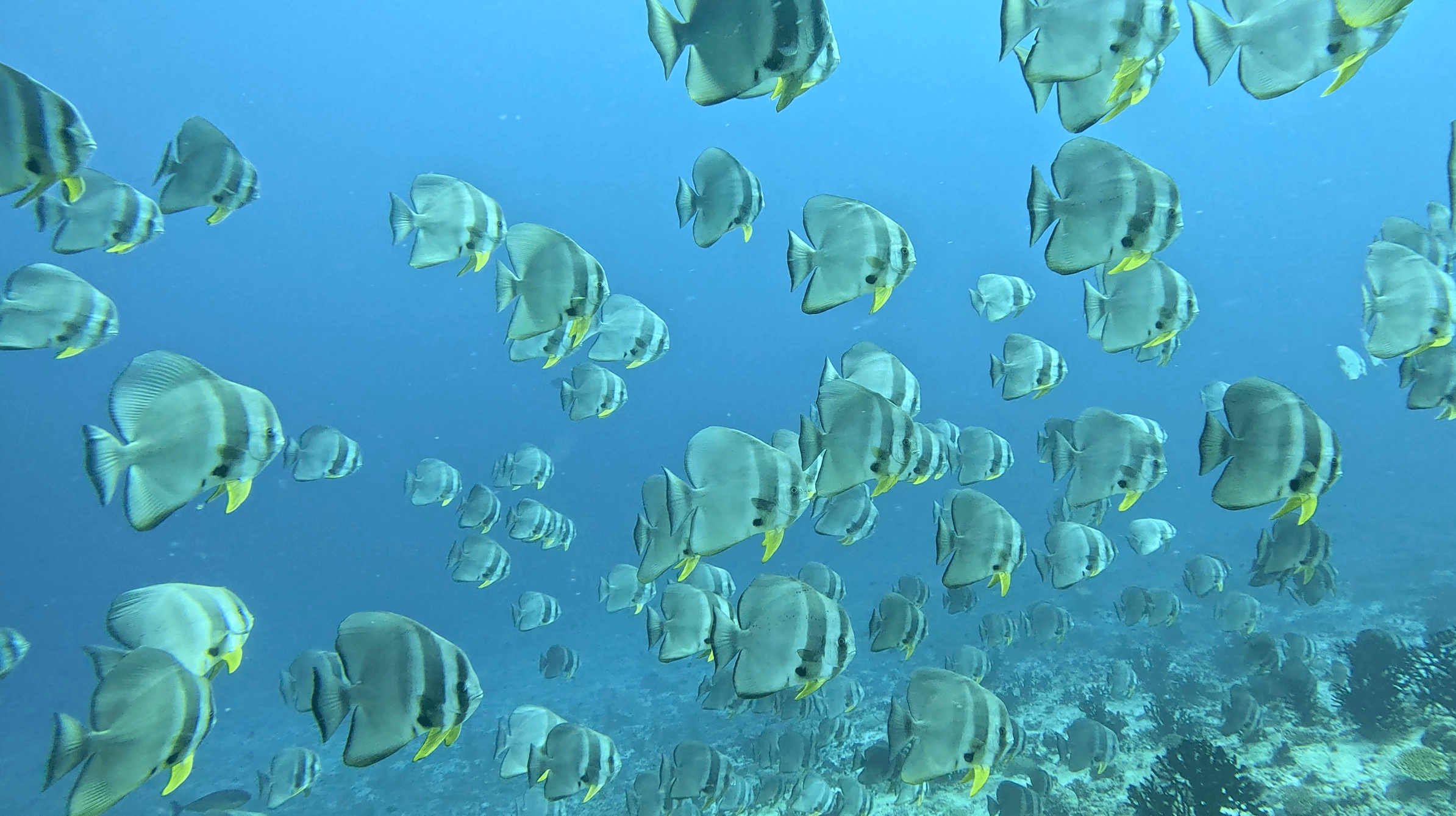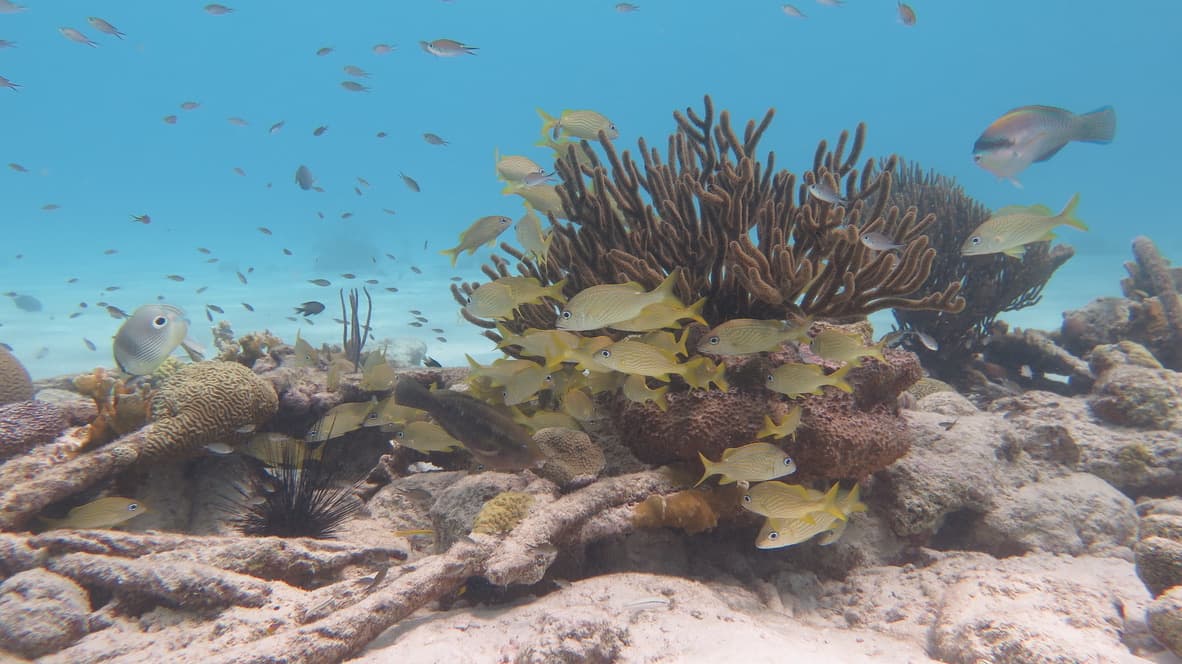
Schooling grunts over a Bonaire coral reef
Field Exploration

Advancing marine conservation through diver-led research

“The sea, once it casts its spell, holds one in its net of wonder forever.”

Explore the Depths

Our Scientific Mission

Diving the Blue Infinity is a digital archive and research collective dedicated to the systematic study of marine ecosystems.

We bridge the gap between direct field observation and formal oceanography. Through guidance on sustainable diving practices and responsible reef observation, we help divers engage with marine environments in ways that support coral restoration and contribute to a broader understanding of ocean health.

Foundation Pillar I

Reef Observation & Taxonomy

A growing field archive of marine species, coral communities, and reef conditions — documented dive by dive through underwater observation, photography, and environmental field notes.

Field Notes
Foundation Pillar II

Responsible Field Exploration

Guidance on low-impact diving practices, reef awareness, and environmentally responsible exploration for divers seeking a more thoughtful relationship with marine ecosystems.

Expedition Guide

The Planner

Upcoming Expeditions

Egypt · Best season: May–Sep

Egypt Red Sea Liveaboard – Wrecks, Reefs, and Pelagics

Six days aboard out of Hurghada covering the full breadth of the northern and central Red Sea — famous wrecks in the Gulf of Suez, the reef systems of Ras Mohamed and the Straits of Tiran, the offshore pinnacles of the Brothers Islands, and the Safaga area reefs. Three to four dives per day, with night dives on the wrecks.

WrecksSS Thistlegorm, Giannis D, Salem Express, Aida II and Numidia at Big Brother — four of the most significant wreck dives in the Red Sea
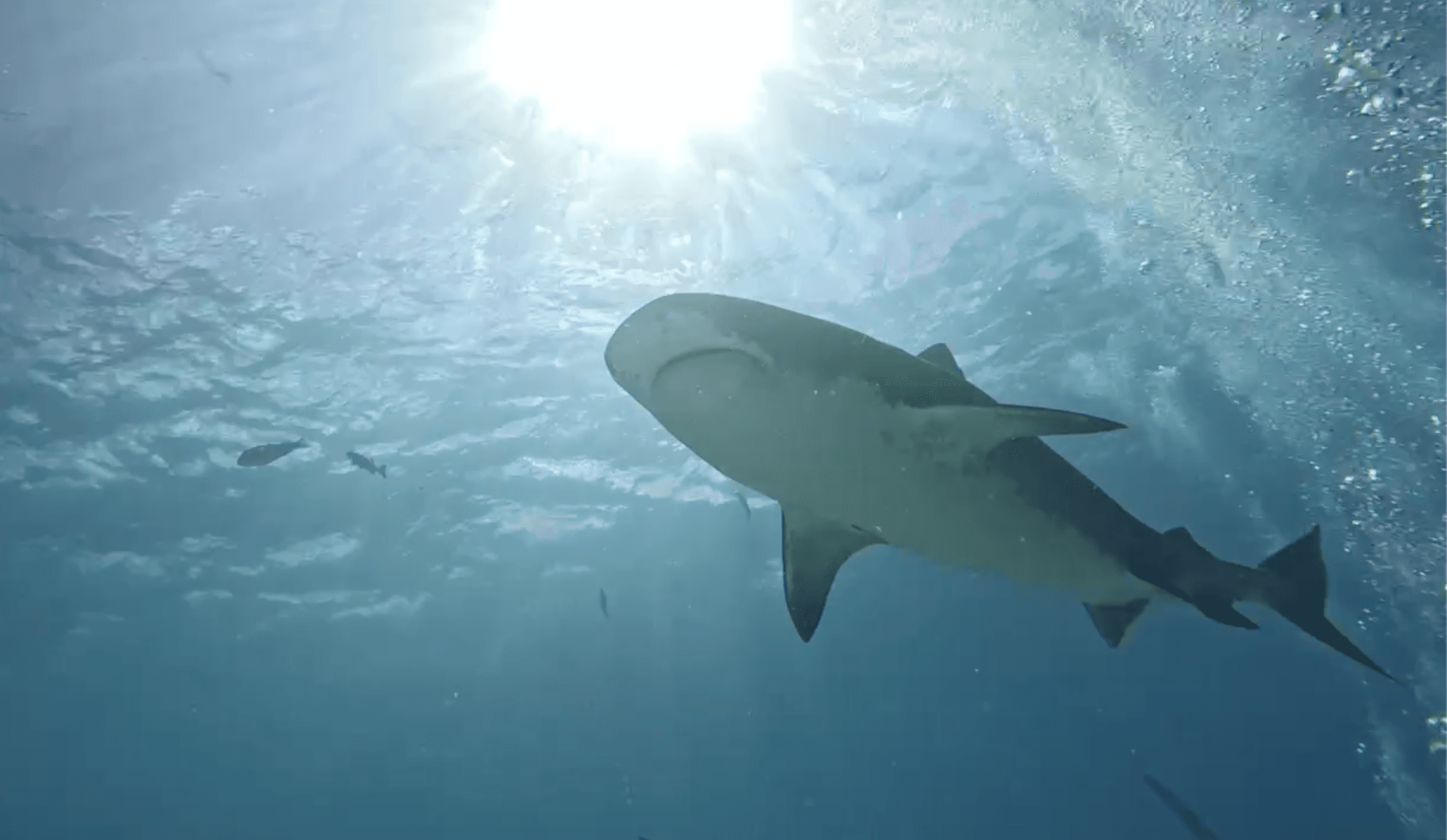
PelagicsOceanic whitetip sharks consistently at the Brothers; hammerheads, grey reef sharks, threshers, tuna, barracuda, and jacks throughout
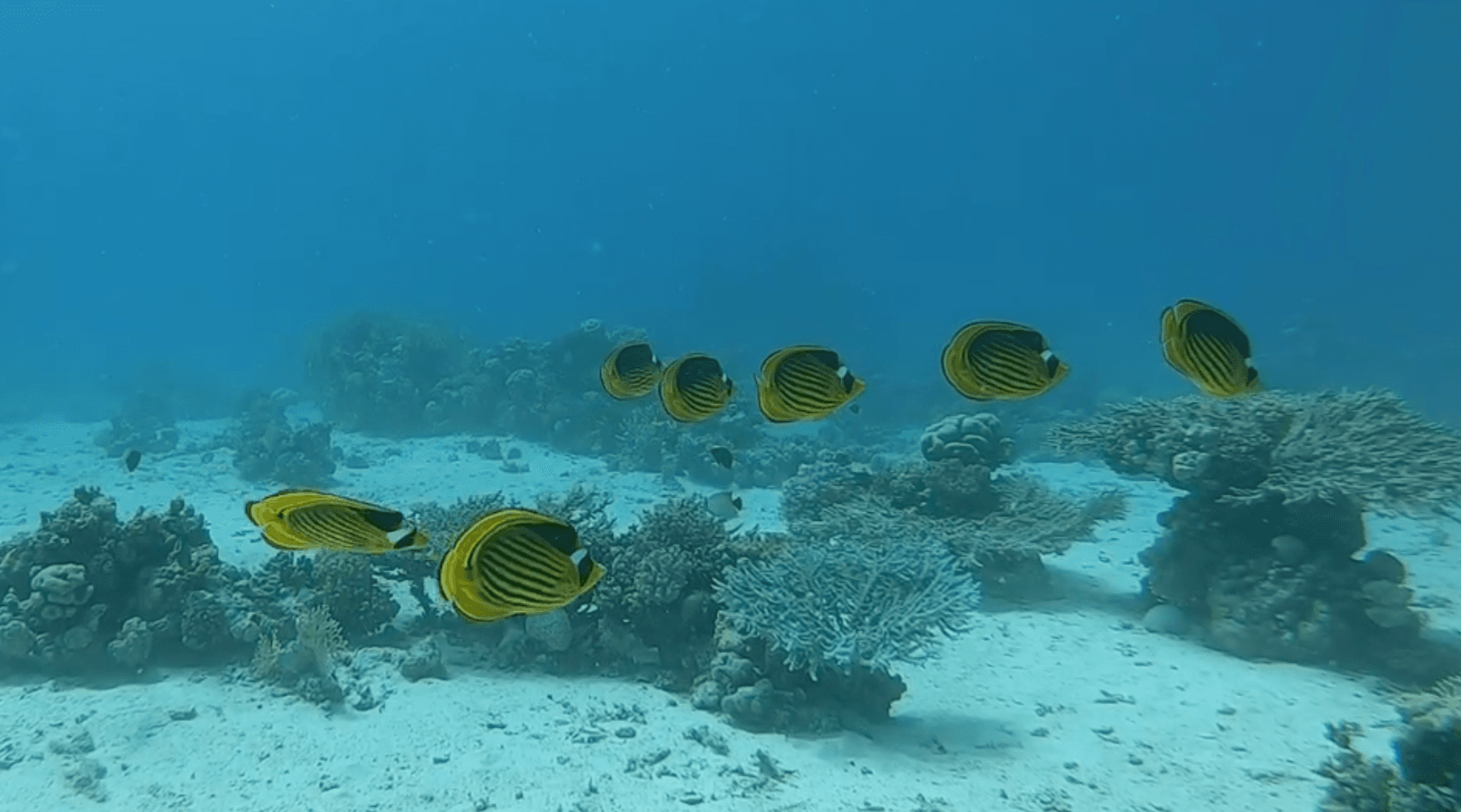
Egypt Red Sea Liveaboard – Wrecks, Reefs, and Pelagics
Future Trip
Oman · Best season: Oct–May

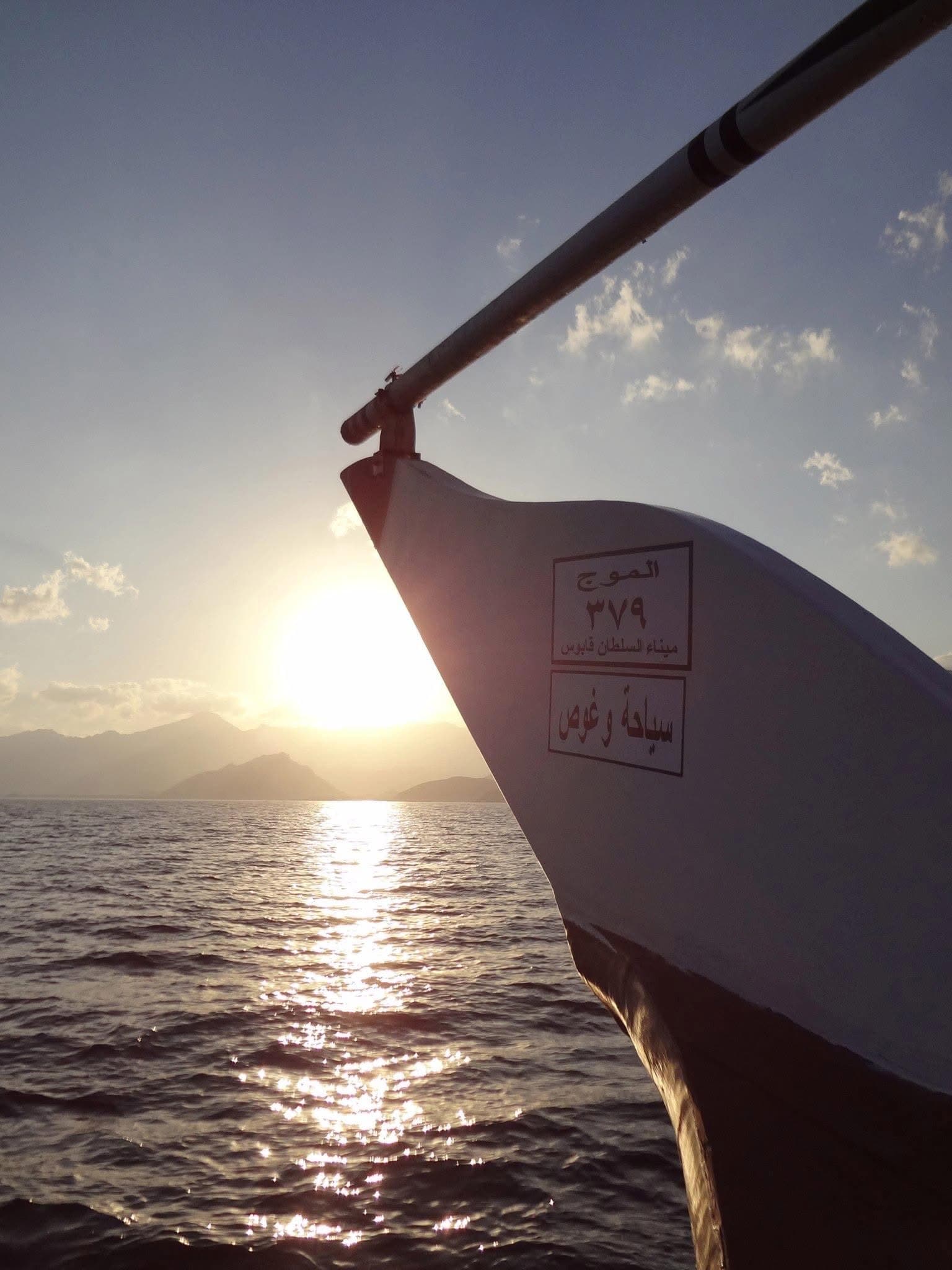
Musandam: Six Dives in the Norway of Arabia

Limestone cliffs dropping straight into the Gulf of Oman, spinner dolphins at first light, and six dives across three days in one of the least-visited dive destinations in the Arabian Peninsula.

Water Conditions27–29°C in June, 15–25m visibility — warm surface water with a thermocline at 15m dropping to cooler, clearer water below
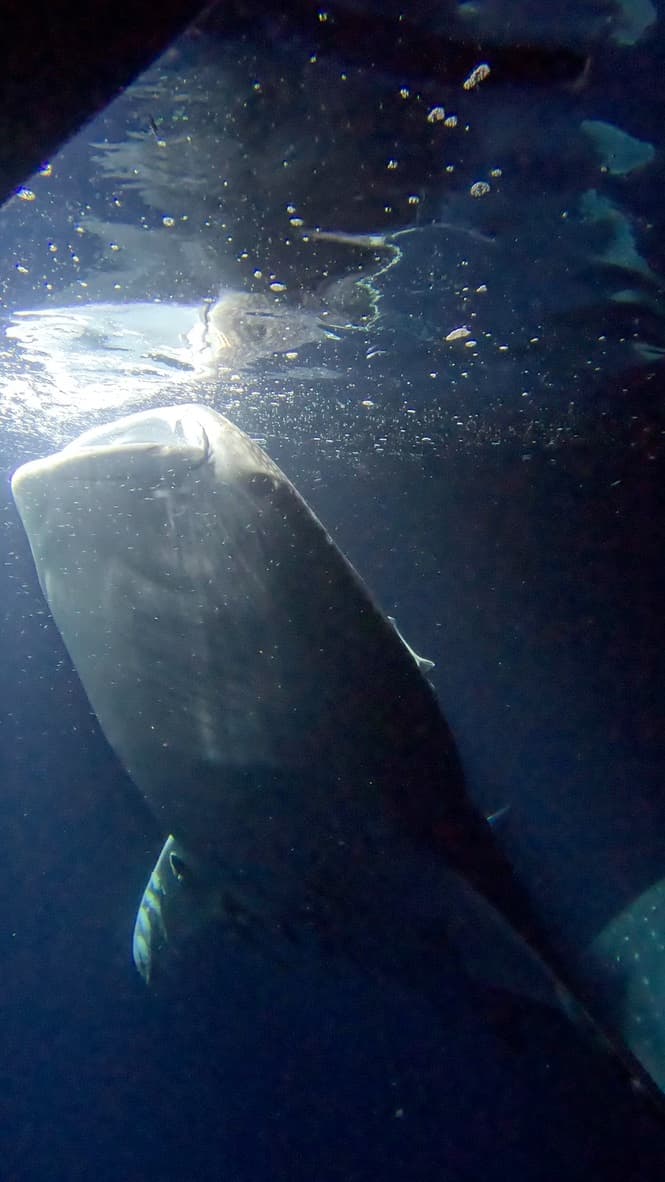
Marine LifeSpinner dolphins, schooling trevally, tuna, grouper, sea snakes, nudibranchs, reef rays — whale sharks more frequently sighted along the outer channel in the summer months
Musandam: Six Dives in the Norway of Arabia
Future Trip
The Maldives · Best season: May–Nov

Manta Season at Hanifaru Bay

Forty manta rays feeding in a cyclone above Hanifaru Bay, their white bellies catching the light as they spiralled up through a column of plankton.

Water Conditions29–31°C surface, 26°C at 25m, 15–30m visibility depending on plankton density
Marine LifeReef manta rays (3–5m wingspan), whale sharks, hammerheads at Rasdhoo Atoll, eagle rays
Manta Season at Hanifaru Bay
Future Trip

The Archive

Latest Field Notes

View All Entries
Thila Country: South Ari Atoll from Omadhoo
Mar 2026 · The Maldives

Thila Country: South Ari Atoll from Omadhoo

Eight dives across South Ari Atoll's thila systems from a base on Omadhoo — Fish Head's grey reef shark aggregations, Mahaana Thila's split pinnacle, Banana Reef's crescent wall, and the house reef at night.

Read Article
Below the Equator: Fuvahmulah, Huvadhoo and Addu
Mar 2026 · The Maldives

Below the Equator: Fuvahmulah, Huvadhoo and Addu

The deep south runs 500 kilometres below Malé across three distinct locations — Fuvahmulah's tiger shark walls, Huvadhoo's channel aggregations, and Addu's WWII wreck — each driven by the same Indian Ocean upwelling that keeps the water cold and the predators close.

Read Article
Dauin and Apo Island – Muck Diving and the Marine Sanctuary
Dec 2025 · The Philippines

Dauin and Apo Island – Muck Diving and the Marine Sanctuary

Negros Oriental's southwest coast runs two entirely different dives in the same day: Dauin's volcanic black sand slopes where frogfish and pygmy seahorses occupy every square metre, and Apo Island's marine sanctuary where hawksbill turtles and walls of jackfish make the case for what protected reef looks like.

Read Article
About the Archive

Every reef visited is a data point. Every image is evidence. Every depth recorded is a baseline against which the future will be measured.

Diving the Blue Infinity began in 2014 on the northernmost coral reef in the Red Sea — Jordanian coastline where the water drops to 18 degrees in winter and the reef has adapted to conditions most coral systems cannot survive. That specificity — a reef solving problems others haven’t had to face — set the terms for everything that followed.

A decade and eleven countries later, the interest and skills have deepened into a practice of environmental science conducted at depth — documenting marine life, tracking ecosystem change, and applying sustainable diving practices that leave the reef undisturbed.

Reefs change faster than most people realize. The archive doesn’t. What was photographed at depth in 2014 is still in the record — a fixed point against which the present can be compared, and the trajectory understood.