Sustainable Stewardship
The Ethical Descent: A Manifesto for the Conscious Diver
To dive is to enter a world that holds no obligation to welcome us. Our presence is a privilege extended by an ecosystem of staggering complexity — and a responsibility of equal measure.
Buoyancy Control
Maintaining neutral buoyancy is the foundation of low-impact diving. Poor buoyancy leads to fin strikes, sediment disturbance, and direct coral contact — the leading causes of diver-induced reef damage.
Gear Choices
Properly configured gear prevents dragging hoses and dangling accessories from snagging coral. Choosing mineral-based reef-safe sunscreen eliminates oxybenzone and octinoxate — compounds linked to coral bleaching.
Non-Invasive Behaviour
Observe without touching. Avoid sensitive habitats including seagrass beds, mangrove roots, and shallow coral heads. Never chase, feed, or ride marine animals. Maintain minimum distances from all wildlife.
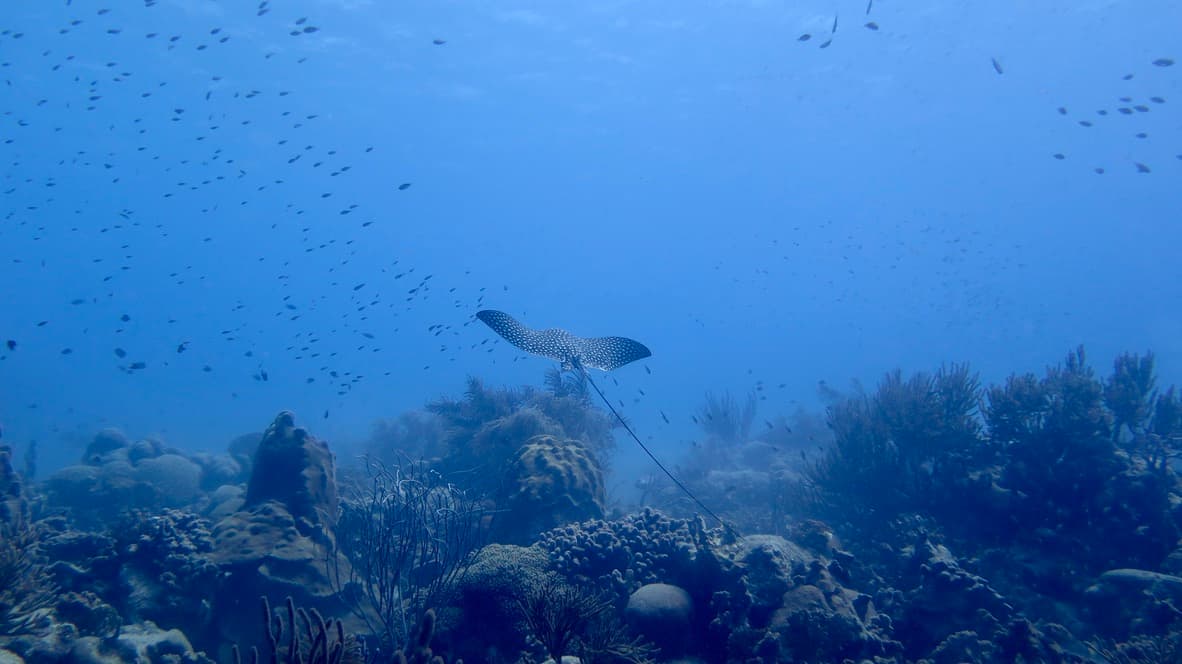
Fig. 1.2 — Reef monitoring in practice. Data captured via visual inspection and photography for long-term coral health studies.
Citizen Science & The Global Observatory
Through documentation, photography, and consistent dive logging, each entry contributes to a long-term visual record of reef health across regions and seasons. Field observations focus on coral condition, species encounters, visibility, and signs of environmental stress — building a practice of more deliberate engagement with the underwater world.
Programme Alpha
Long-term reef observation and photographic documentation.
Project Benthos
Visual surveys focused on coral communities and benthic ecosystems.
Additional field projects and regional studies will be developed over time.
Academic Methodology
Combining field diving with citizen science principles — careful documentation, photography, and responsible field practice — each dive contributes to a broader record of reef health and changing ocean conditions.
Observation
Each dive begins with observing reef conditions, marine life, and environmental factors such as depth, visibility, temperature, and species encounters.
Documentation
Photography and visual surveys help document coral health, reef structure, fish populations, and signs of environmental change over time.
Comparison & Analysis
By comparing observations across dives and locations, divers can help reveal ecological patterns, biodiversity trends, and reef stress events.
Community Contribution
Sharing observations bridges the gap between individual field practice and collective understanding — contributing to environmental awareness and long-term reef stewardship.
Traveller Ethics
Rules of Reef
- 1.Never stand on coral — even dead coral provides habitat.
- 2.Practice buoyancy control before every new dive site.
- 3.Respect minimum distance guidelines for all marine life.
- 4.Choose reef-safe, mineral-based sunscreen products only.
- 5.Support local conservation operators and reef monitoring projects.