Jordan · 2014–2016
Aqaba – The Red Sea's Northernmost Reef
Aqaba sits where Jordan, Israel, Saudi Arabia, and Egypt share 27 kilometres of Red Sea coastline — one of the world's most geopolitically compressed dive destinations, and one of its most underrated.
Yellow Stone Reef
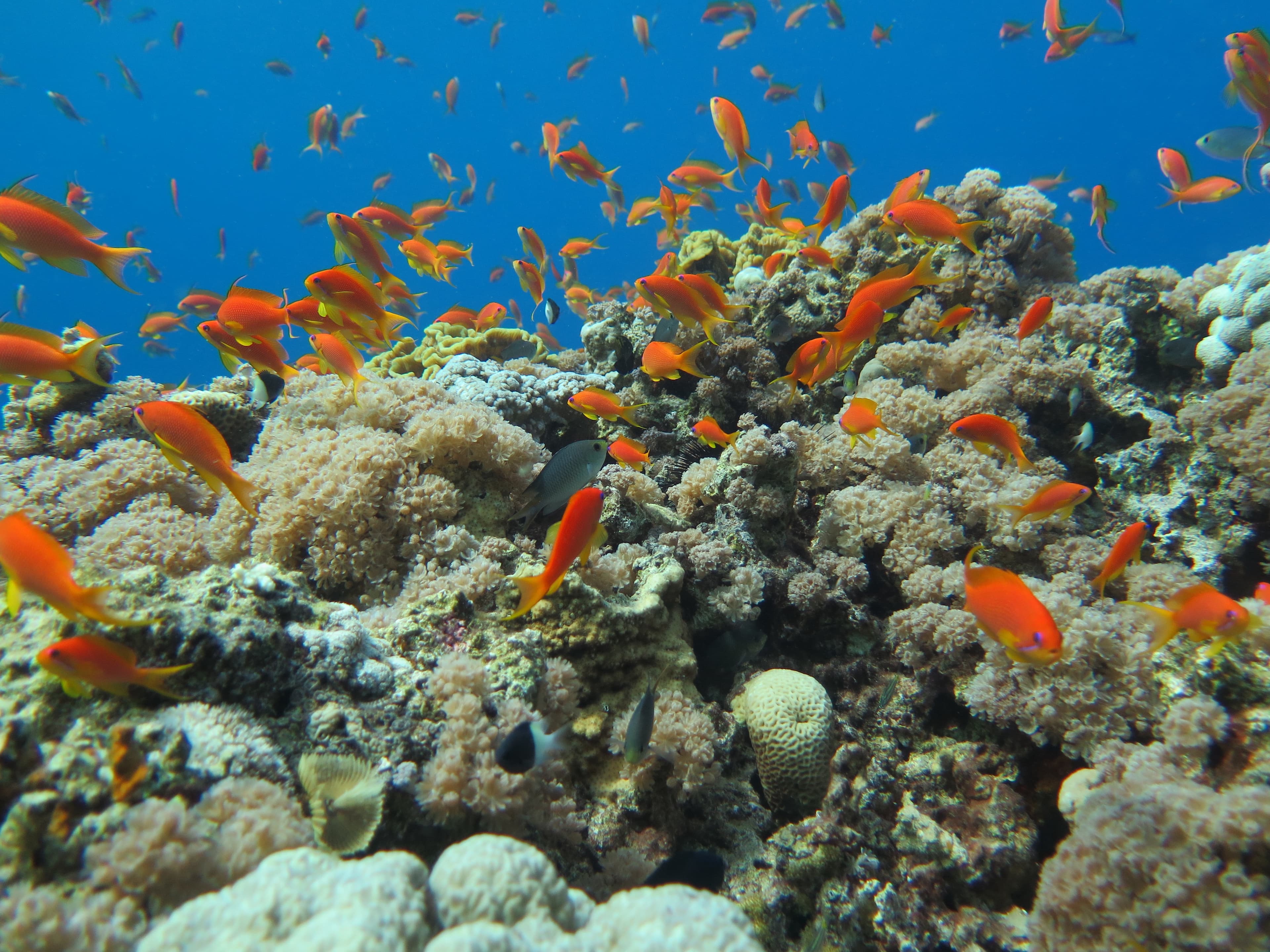
Yellow Stone Reef is a shallow coral garden running along the northern section of Aqaba's marine park — named for the pale limestone substrate that gives the site its particular quality of light in the morning hours. The reef starts at three metres and extends to about fifteen, with a terrain of table corals, soft coral colonies, and rubble zones that hold a disproportionate amount of macro life.
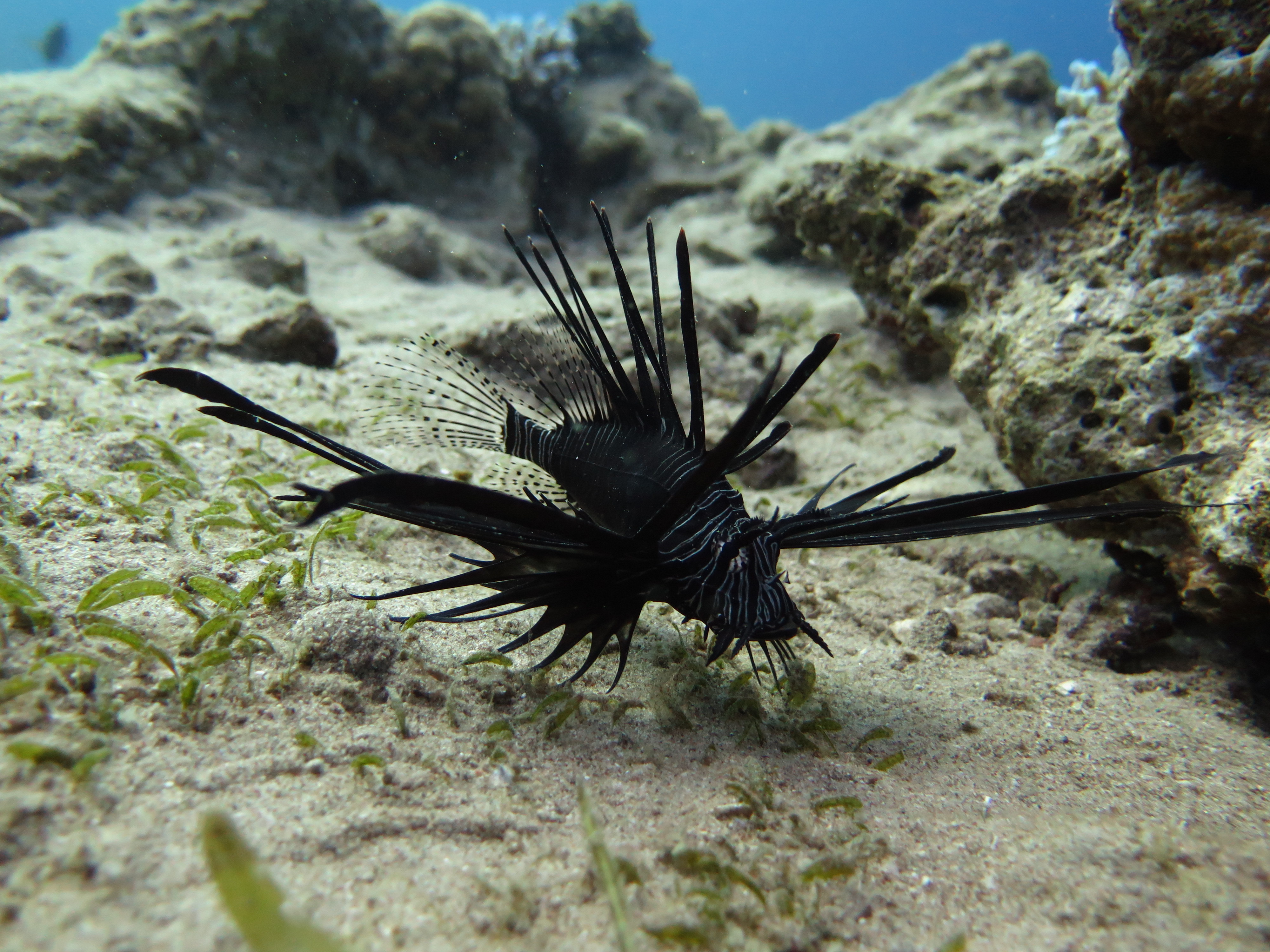
Lionfish are present on every dive at Yellow Stone — resting in the shadows under coral overhangs, moving slowly across the sandy channels between reef sections, occasionally hovering in open water with fins fully spread. The Red Sea species (Pterois miles) is stockier than its Indo-Pacific relative and, if anything, more indifferent to divers.
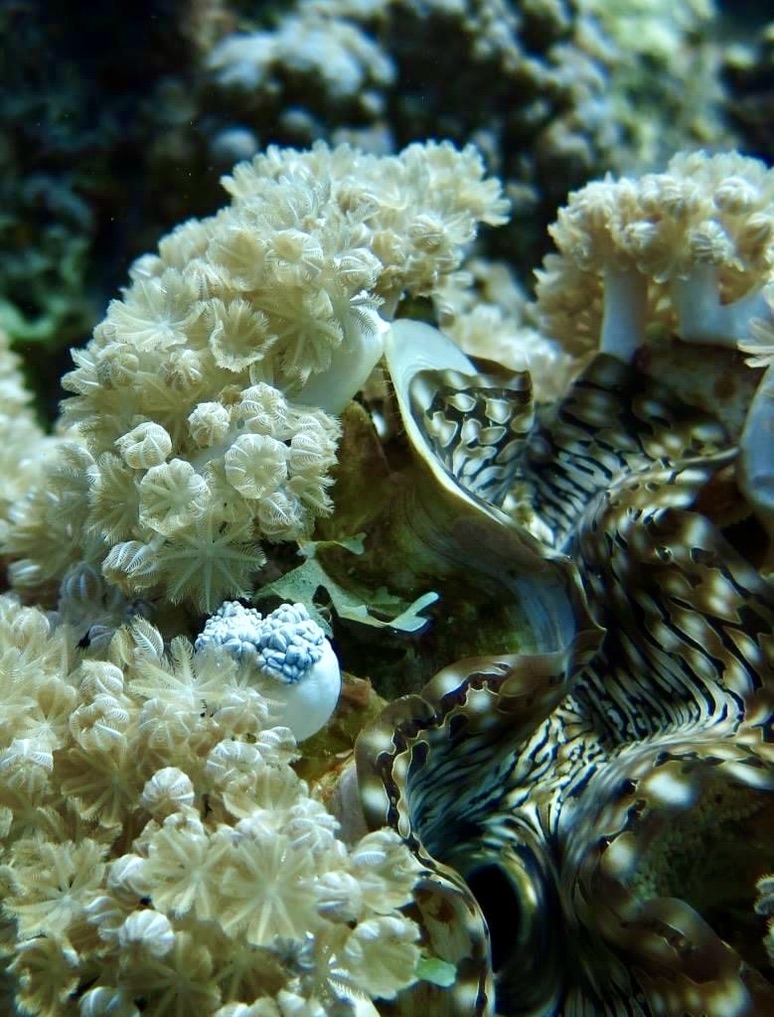
The macro photography at Yellow Stone rewards patience and a slow approach. Clams settle into the soft coral polyps on the deeper sections of the reef — small, often overlooked alongside the more conspicuous residents, but worth the time to find.
The Cedar Pride
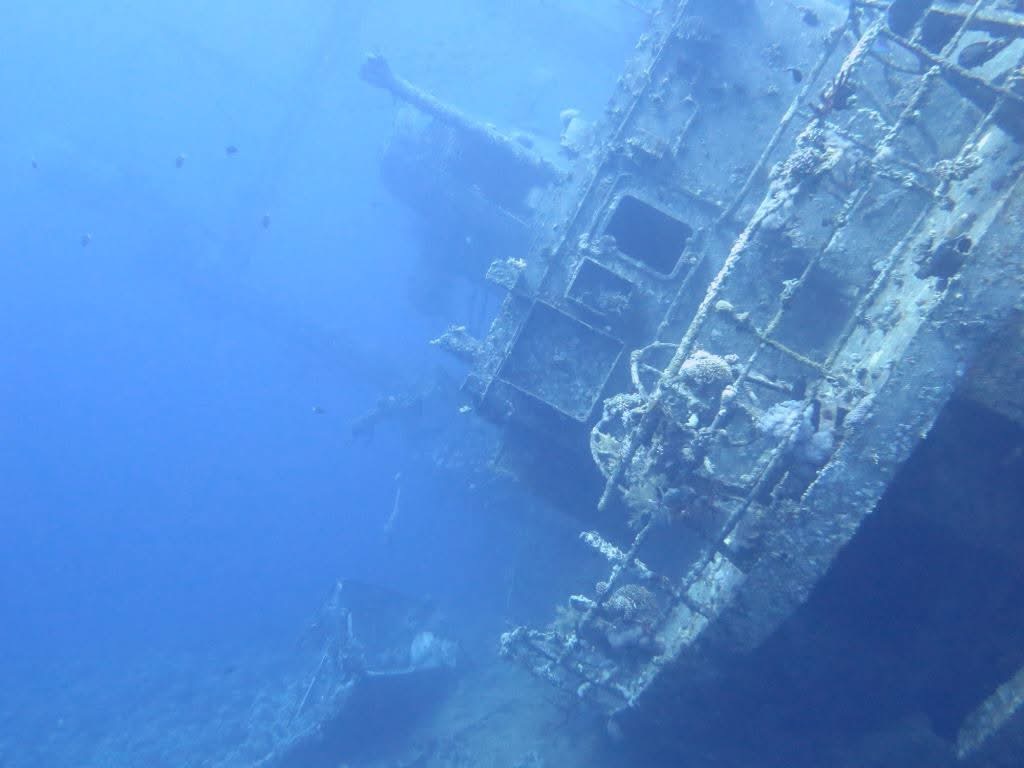
The Cedar Pride is a 70-metre Lebanese cargo ship deliberately sunk in 1985 as Jordan's first artificial reef — King Hussein reportedly pushed the button himself. It now lies on its port side on a sandy slope, the hull at 25 metres and the highest point of the superstructure at 8. From above, the full length of the wreck is visible in a single sight line — the hull descending away into blue water, the superstructure beginning to disappear under coral growth.
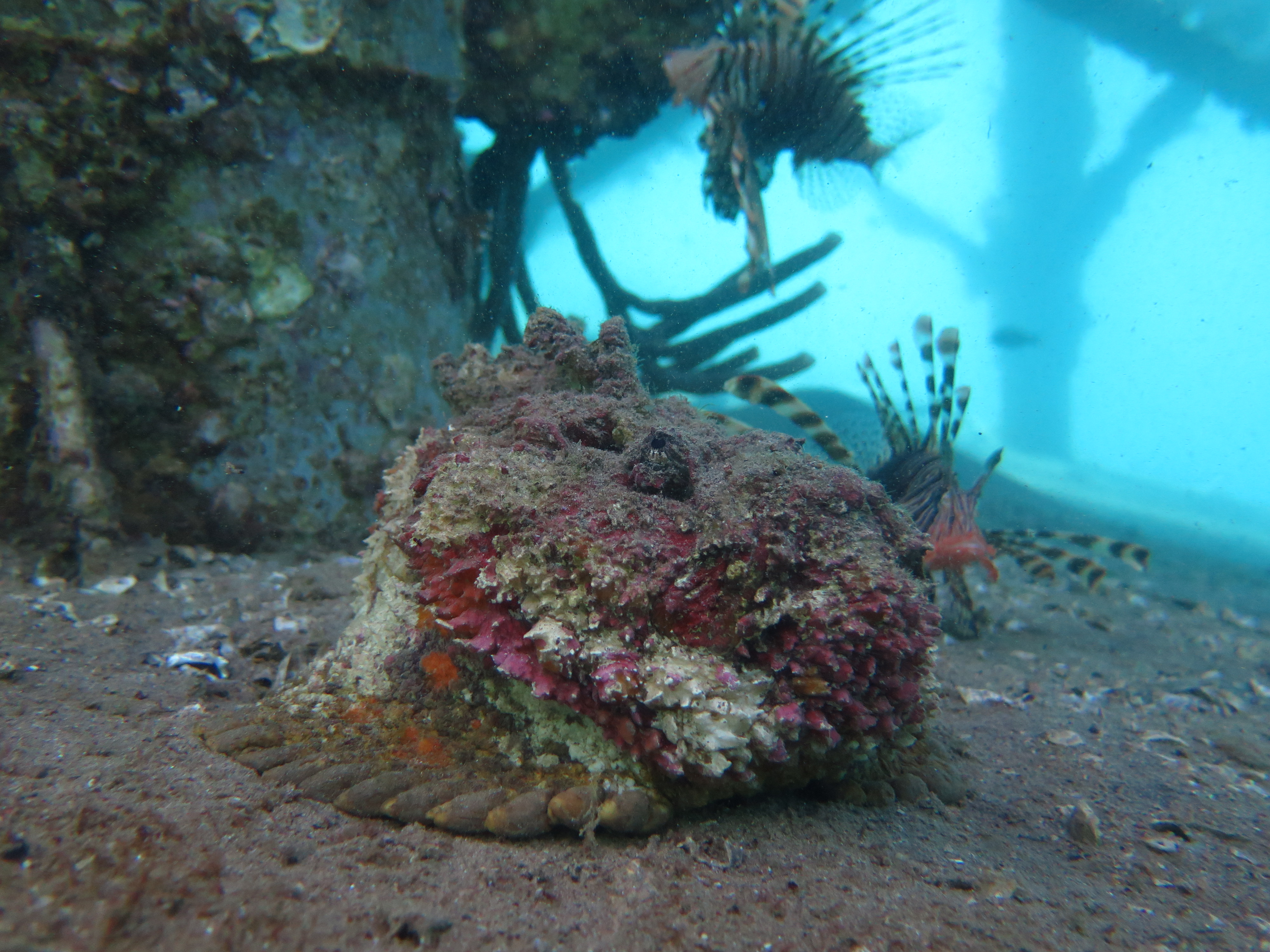
Penetration is straightforward — the hull is open at both ends and the interior is navigable in reasonable visibility. The wreck floor holds the most interesting residents: scorpionfish settle into the colonised deck, their outline broken up by encrusting algae and coral to the point that you walk your eye across the surface to find them rather than scanning for shape. Hawksbill turtles work the soft coral on the bow with the focused efficiency of animals entirely at home on the structure.
The Tank
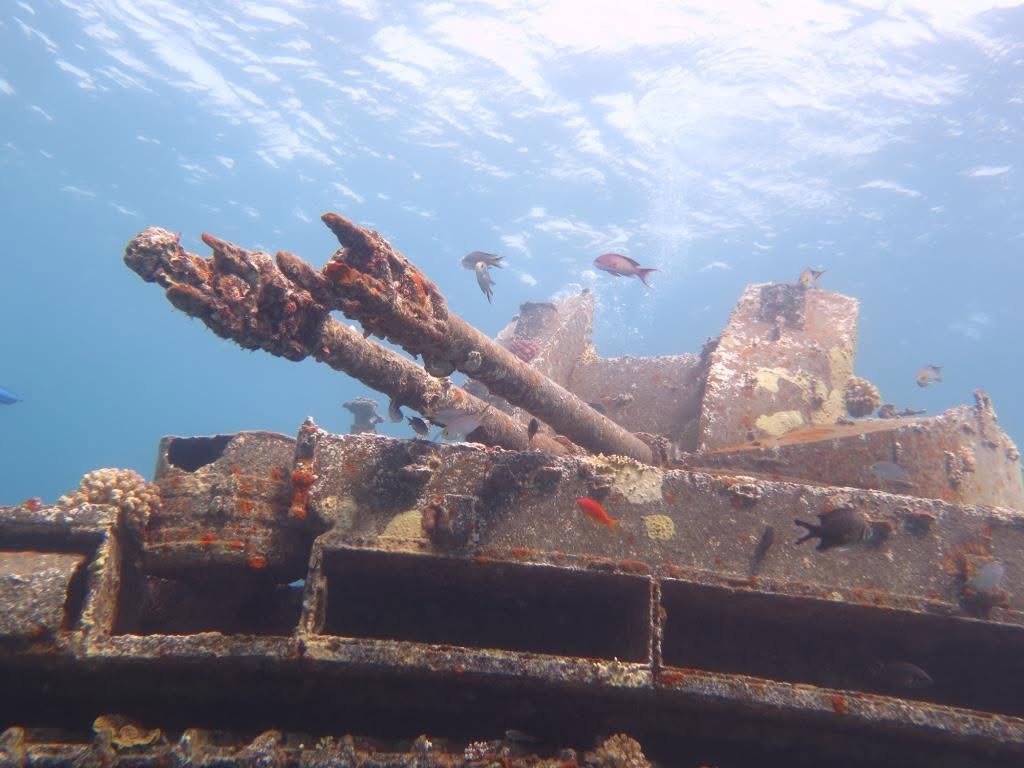
Among the military equipment Jordan has sunk along the marine park slope sits a tank at 15 metres — turret intact, gun barrel aimed at a shallow angle across the sandy bottom, every surface colonised by coral and sponge. The same structure applies to the M42 anti-aircraft gun platform at 28 metres: twin barrels aimed skyward, each one encrusted with hard coral and sponge, reef fish working the growth in the clear water above.
Lionfish are a fixture near the tank — resting on the sandy bottom with fins fully spread, indifferent to proximity, the dark Red Sea coloration distinct against the pale sand.
Japanese Garden
Japanese Garden is a shallow coral garden — 5 to 12 metres — about 200 metres from the South Beach shore entry. The name refers to the structured aesthetic of the coral formations: table corals, branching staghorn, and pillar corals arranged with enough negative space between them that the site feels deliberate rather than chaotic.
Water temperature in spring runs to 22 degrees — cool by Red Sea standards — with visibility close to 25 metres. The morning light from the east catches the coral formations at a low angle, and the site repays slow movement through it.
Jordan in Pictures
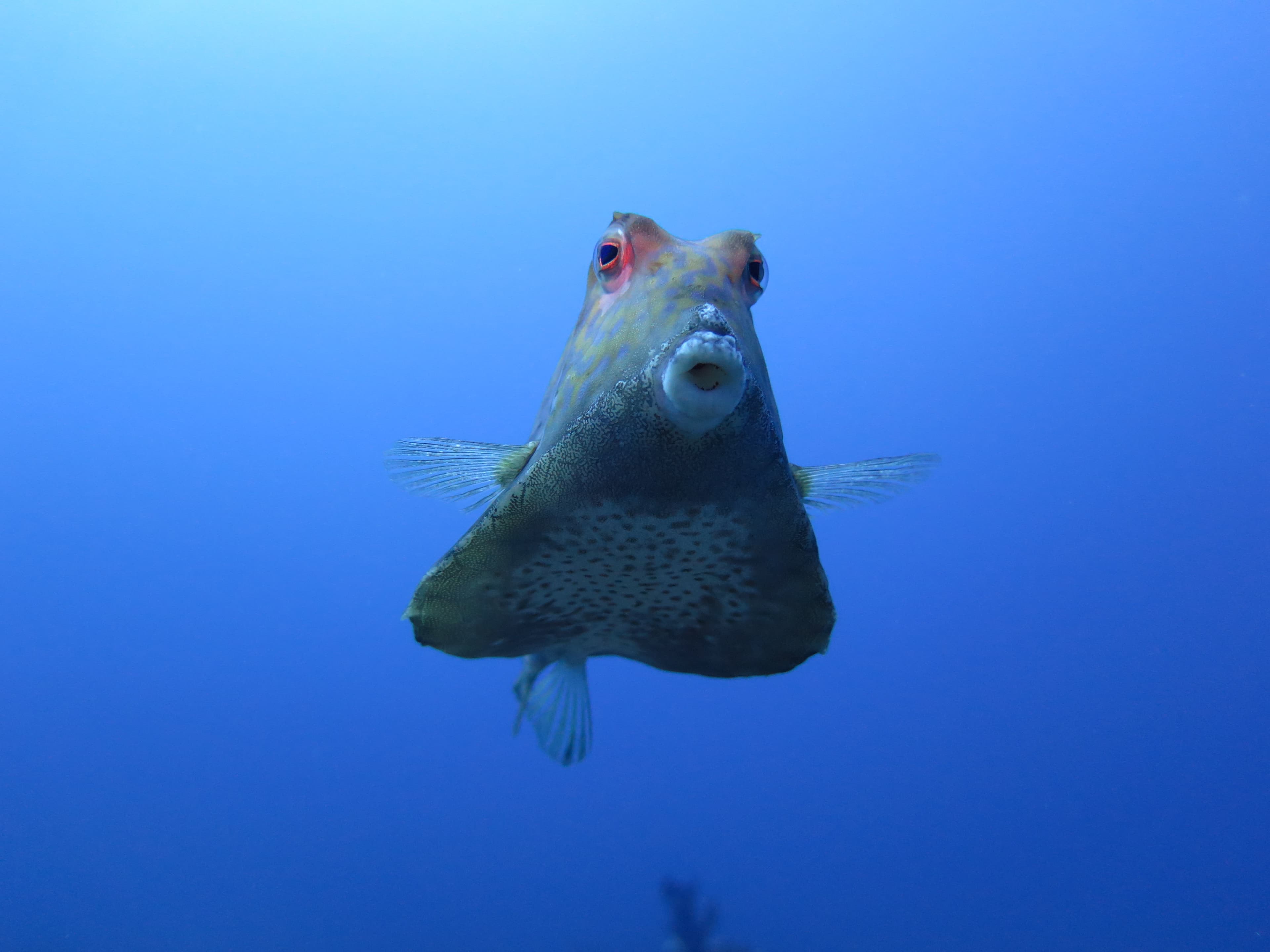
Longhorn cowfish in open blue water above the Cedar Pride — mid-water portrait against the deep Red Sea blue
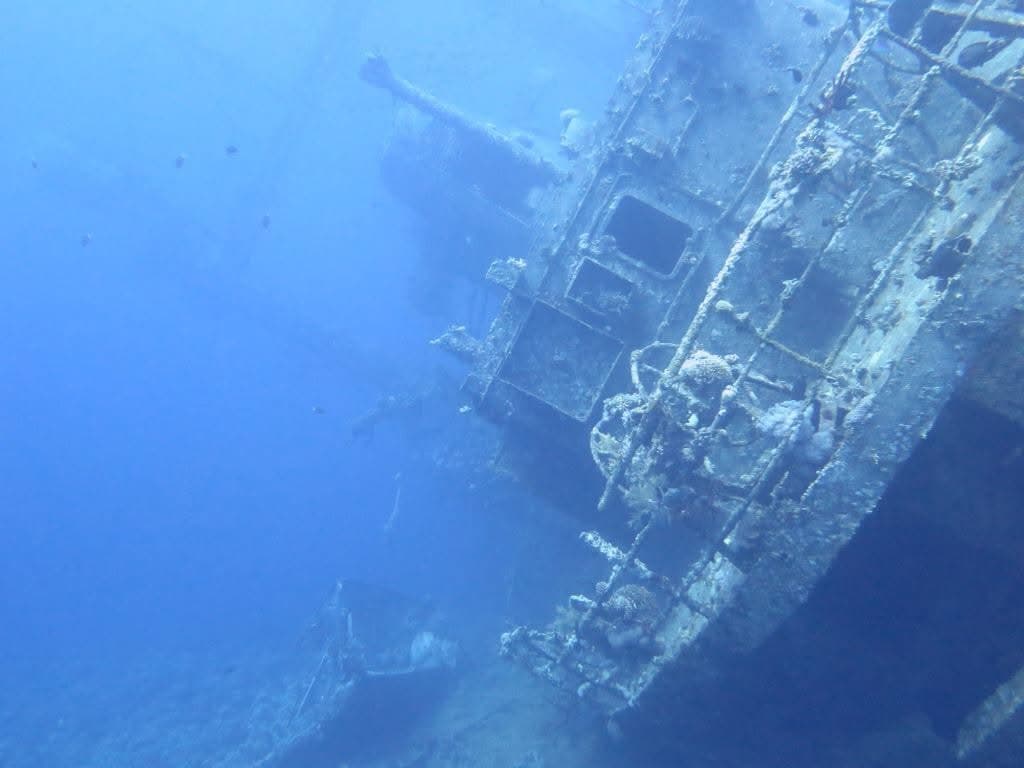
The Cedar Pride lying on its port side — the hull descending into the blue, the superstructure beginning to be reclaimed by coral
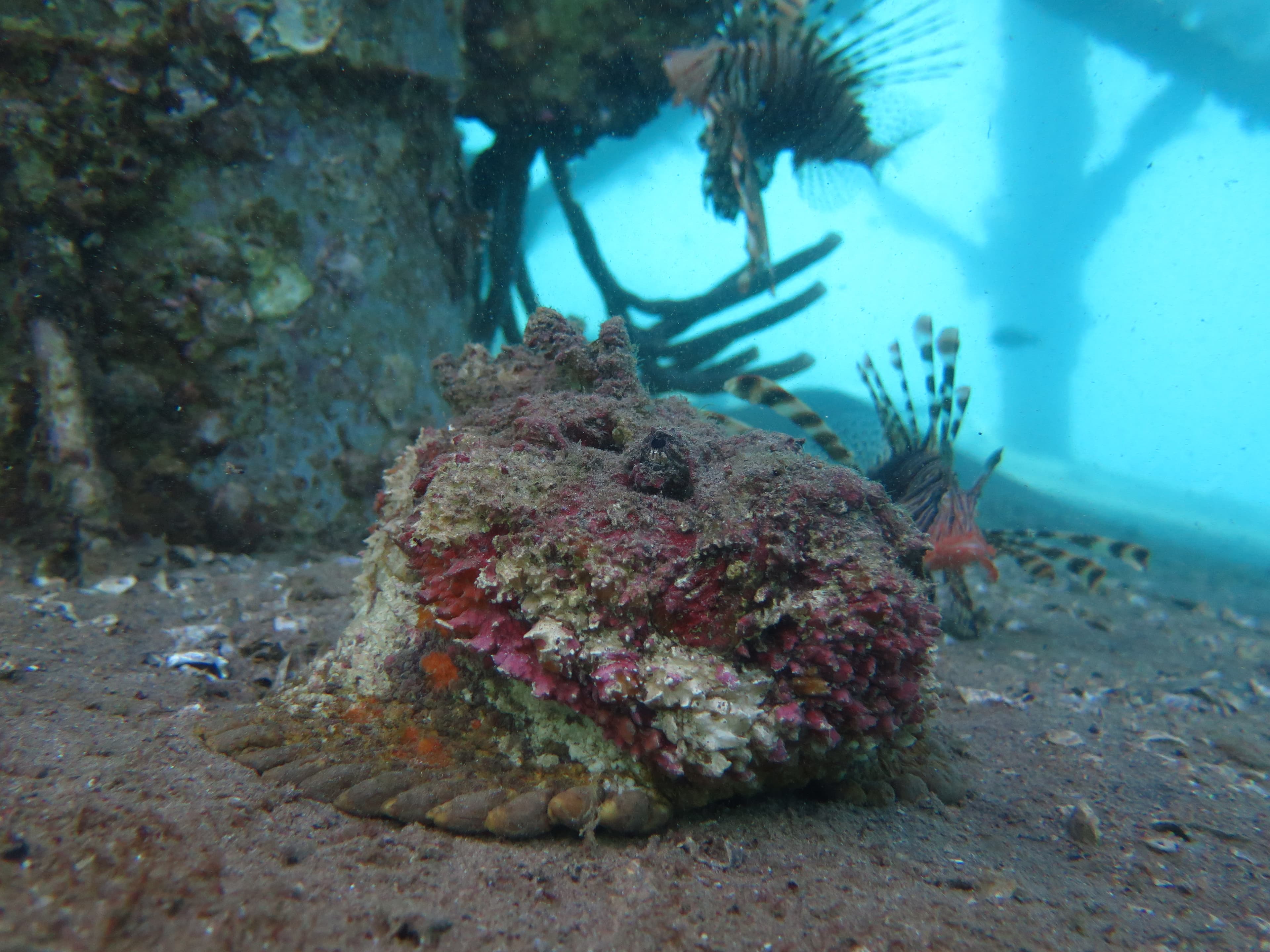
Scorpionfish on the Cedar Pride wreck floor — a lionfish visible in the background, both permanent residents of the wreck
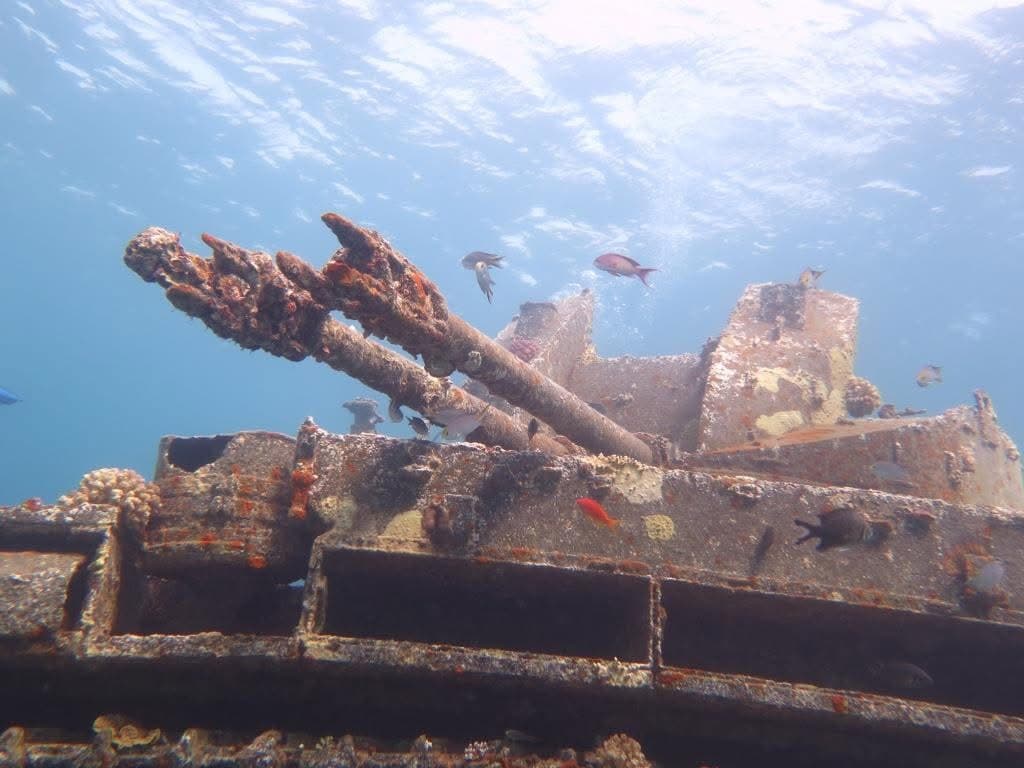
The M42 anti-aircraft gun barrel, colonised by coral and sponge — reef fish working the encrusted metal, surface light above
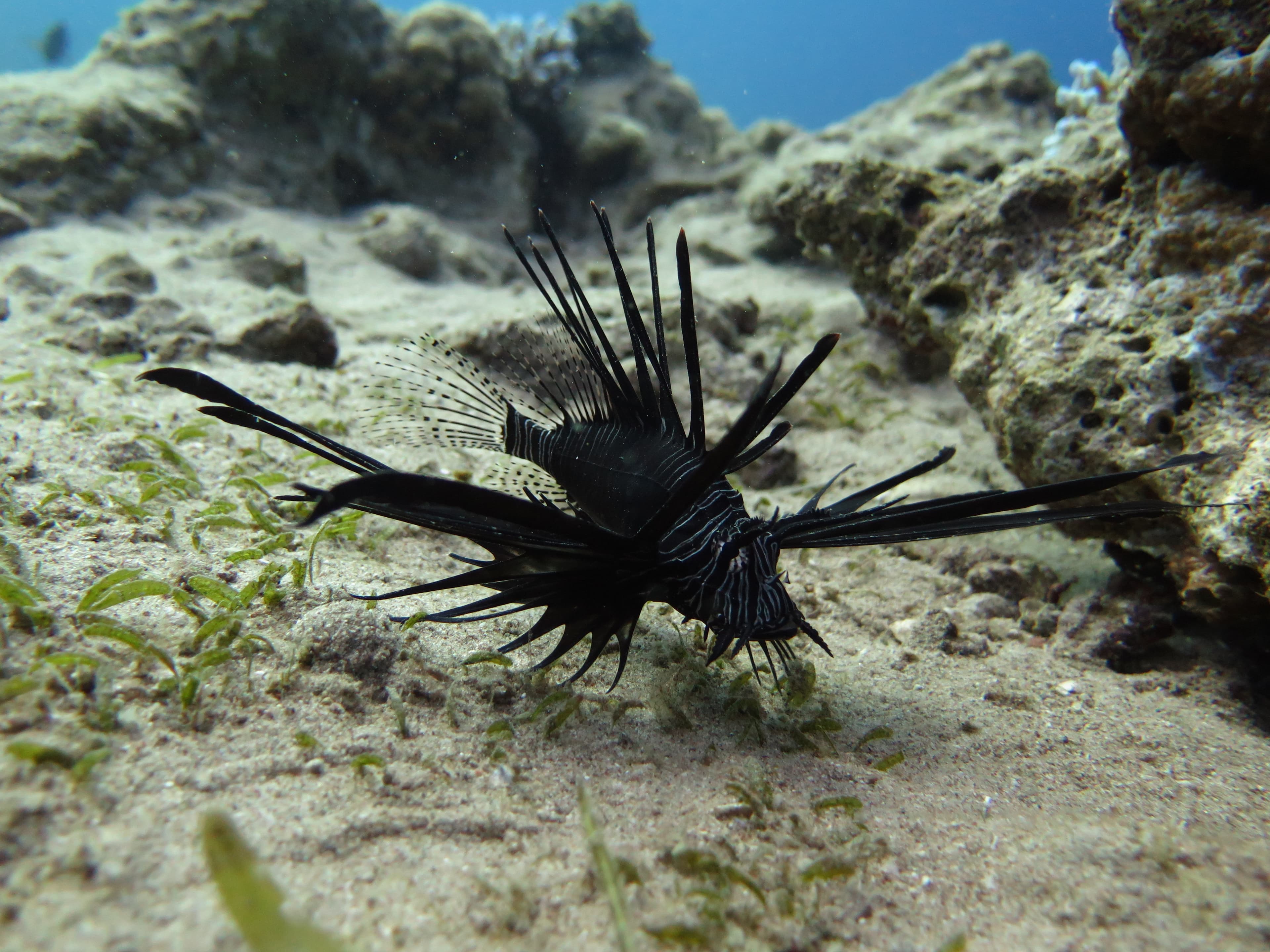
Red Sea lionfish resting on the sandy bottom near The Tank — fins fully spread, coral rock behind
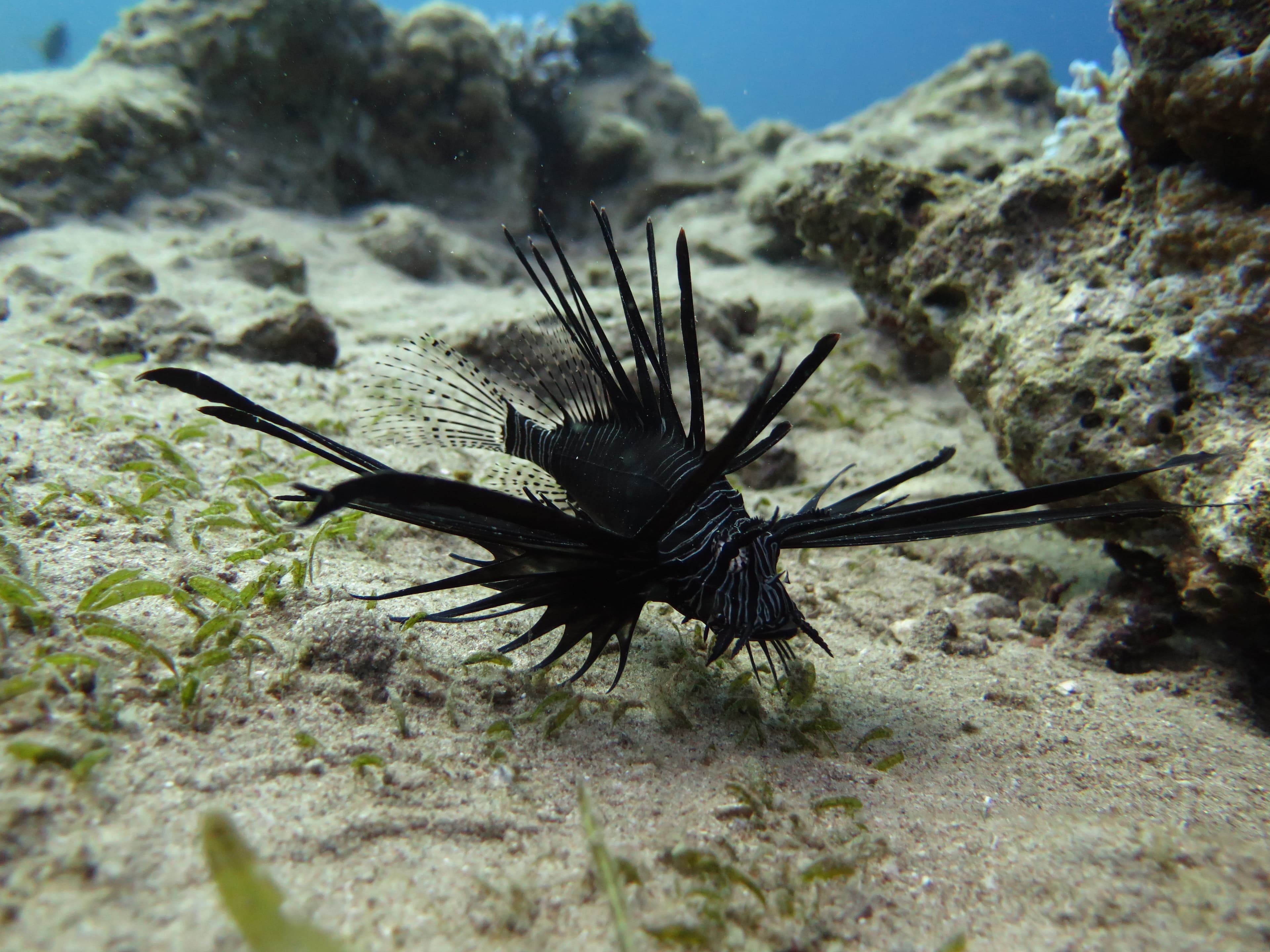
Lionfish resting on the sandy bottom at Yellow Stone Reef — the dark coloration typical of the Red Sea species
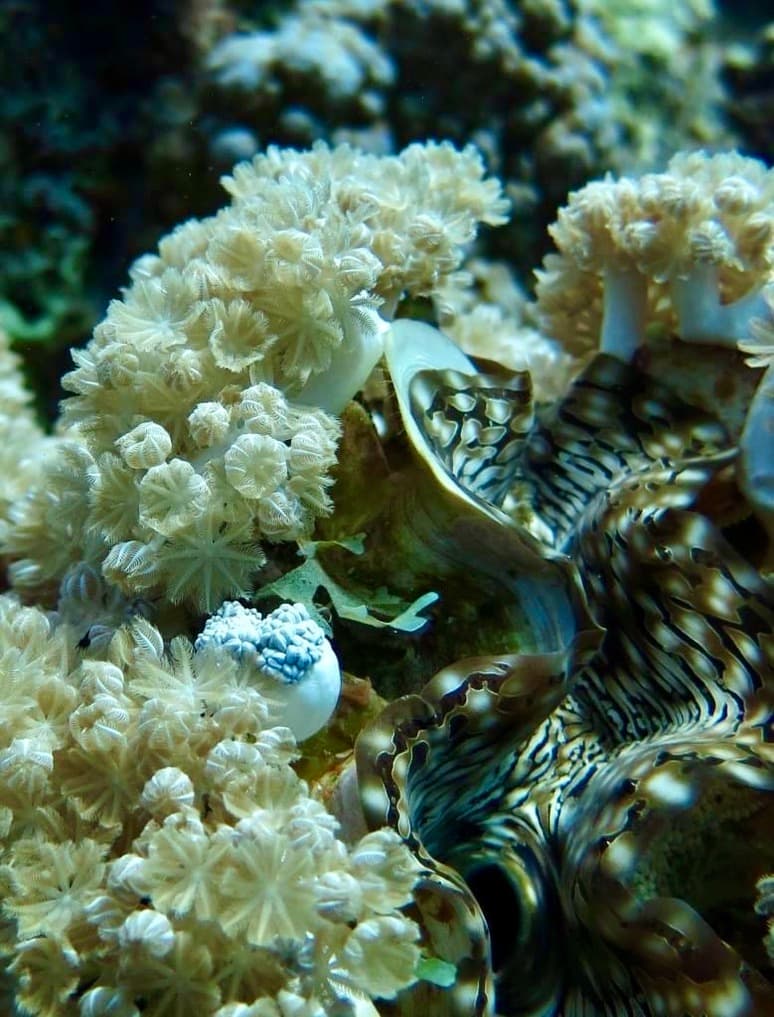
Clam nestled in soft coral polyps — a lionfish partially visible behind, both occupying the same patch of reef